


“What Is Consciousness, Really? A Look Into the Mystery of Awareness“
Consciousness That ever-present voice in your head. The awareness of your thoughts, your breath, your surroundings—the sense that you are you. But what is it, really? Where does it come from? And why does it feel so personal, yet so hard to explain?
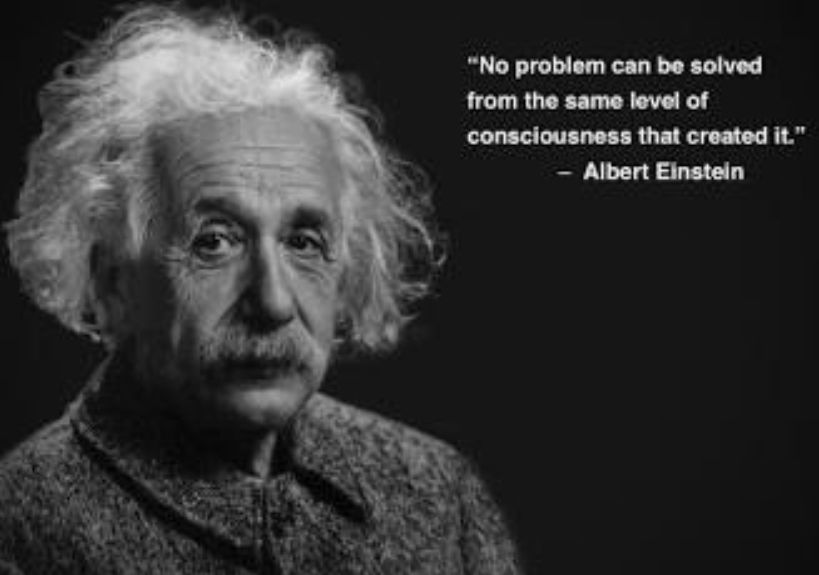
It’s one of the deepest questions out there, and we’re still chasing answers. But here’s what we know—and what we’re still trying to figure out.
The Brain: Where It All Begins
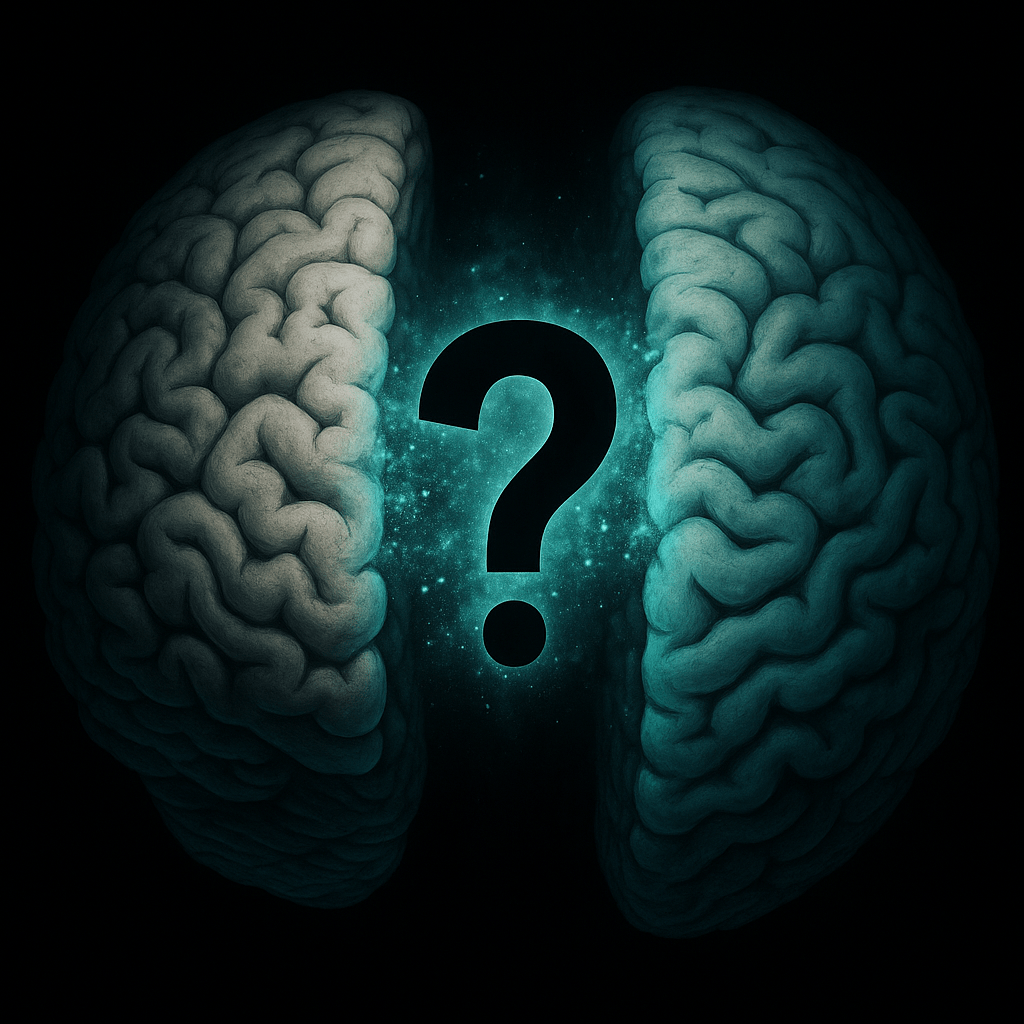
Most scientists agree: consciousness starts in the brain. But not just any part of the brain. Specific regions seem to play key roles:
Prefrontal Cortex: This is the “thinking” part. It’s where decision-making, planning, and self-awareness live.
Thalamus: Think of this as your brain’s air traffic controller—it routes sensory data to the right parts of your mind.
Posterior Cortex: This handles your sense of space, vision, and body awareness.
Brainstem: The silent guardian. It controls basic functions like wakefulness and sleep—the very foundation of being conscious at all.
These parts work together in a beautiful, complex harmony. Billions of neurons fire, connect, and reshape every moment, creating a pattern of activity that somehow produces you—your thoughts, your feelings, your sense of the world.
The Hard Problem: Why Does It Feel Like Something?
We can track brain activity. We can even predict behavior. But here’s the strange thing—none of that explains why it feels like something to be alive.
This is what philosopher David Chalmers calls “the hard problem of consciousness.” Why does brain activity come with experience—why do we feel joy, pain, or the color red?
No machine or computer we’ve built has subjective experience. But you do. Why?
Theories That Try to Explain It All
1. Materialism says consciousness is purely physical—a result of neural complexity.
2. Dualism argues that mind and body are separate, and consciousness might live outside the brain.
3. Emergent Theory suggests consciousness appears when many simple things (like neurons) work together in the right way.
4. Panpsychism takes a wild turn—it says everything, even atoms, might have some form of consciousness.
5. And then there’s Quantum Theories, which claim consciousness may be tied to quantum mechanics—tiny, mysterious physics happening inside our neurons.
Each theory has its strengths. Each one leaves us with new questions.
So Where Does That Leave Us?
We may not fully understand how consciousness works, but we do know this: it’s real, it’s powerful, and it shapes everything we experience. Maybe that’s why we’re so drawn to figure it out—because to understand consciousness is, in some way, to understand ourselves.
Until science catches up with the mystery, I find it comforting to sit with the question itself. To be aware of being aware—and to know that, somehow, that awareness is what makes life so beautifully human.
Subscribe.
Until next time.
 Redominatelife
Leave a comment