


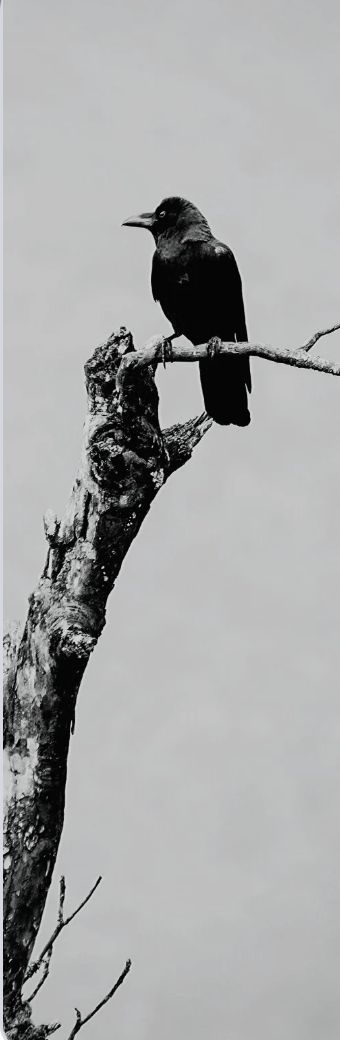
The Mysterious Life of Crows: Conscious Minds and Clever Sleep Habits
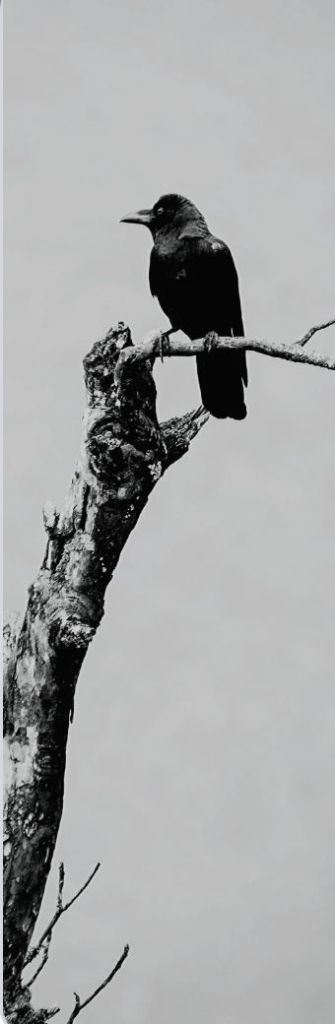
Crows are more than just black-feathered silhouettes against the sky or eerie omens in folklore. They are among the most intelligent non-human animals alive, with complex social lives, memory, and even mourning rituals. But one area that has fascinated scientists and observers alike is their consciousness—how aware they are of themselves and the world around them—and their peculiar sleeping habits, which might surprise you.
Conscious Creatures in the Sky
Crows belong to the corvid family, which also includes ravens, magpies, and jays. Research into corvid intelligence has revealed striking similarities between these birds and primates. They can recognize faces, use tools, solve multi-step problems, and even understand water displacement like a child might.
One experiment showed that crows could plan for the future—a hallmark of conscious awareness. In another, they passed the “mirror test,” which checks whether an animal can recognize itself in a mirror, suggesting a sense of self.
What does this say about crow consciousness? Scientists believe that crows have a level of sentience that’s rare among birds. They don’t just react—they think. Their brains, though small, are densely packed with neurons, especially in the forebrain, which is associated with higher thinking.
Social Minds and Emotional Lives
Crows live in tight-knit family units. They often mate for life and stay connected with siblings and offspring for extended periods. If one of their own dies, they gather—quietly, observantly—almost as if they’re holding a funeral. Some researchers argue this behavior indicates not just memory, but emotional response and learning. They seem to investigate the cause of death, perhaps to avoid the same fate.
They also teach their young, hold grudges against dangerous humans, and even gift shiny objects to people they like. These aren’t mindless actions—they’re choices that reflect awareness and connection.
Sleep Like a Crow
When it comes to sleep, crows show fascinating adaptations. Unlike humans, they don’t sleep for long uninterrupted stretches. Crows are unihemispheric sleepers—which means they can rest one half of their brain while the other remains alert. This allows them to stay safe in urban or forested areas where threats might arise at any time.
At night, they gather in large communal roosts, sometimes with thousands of crows perched on tree branches or building ledges. These roosts are warm, social, and protective. Young crows often learn from older birds here, and the group presence makes it harder for predators to sneak up.
Interestingly, crows dream. During REM sleep—the same phase where humans dream—crows’ eyes move rapidly, and their brain patterns change. What they dream of is anyone’s guess, but given their memories and problem-solving abilities, it’s likely more than just random flashes.
The Symbol and the Being
In myth and story, the crow is often a trickster, a messenger, or a harbinger. But in real life, it’s a mirror—reflecting back a version of consciousness that’s deeply different from ours, yet uncannily familiar. Crows think, feel, remember, and rest in ways that blur the line between animal instinct and mindful experience.
So the next time you see a crow, don’t just wave it away. You might be sharing a moment with one of nature’s most watchful minds—quietly calculating, remembering your face, or maybe just preparing for a well-earned nap with one eye open.
Subscribe.
Until next time.
 Redominatelife
Leave a comment